Introduction
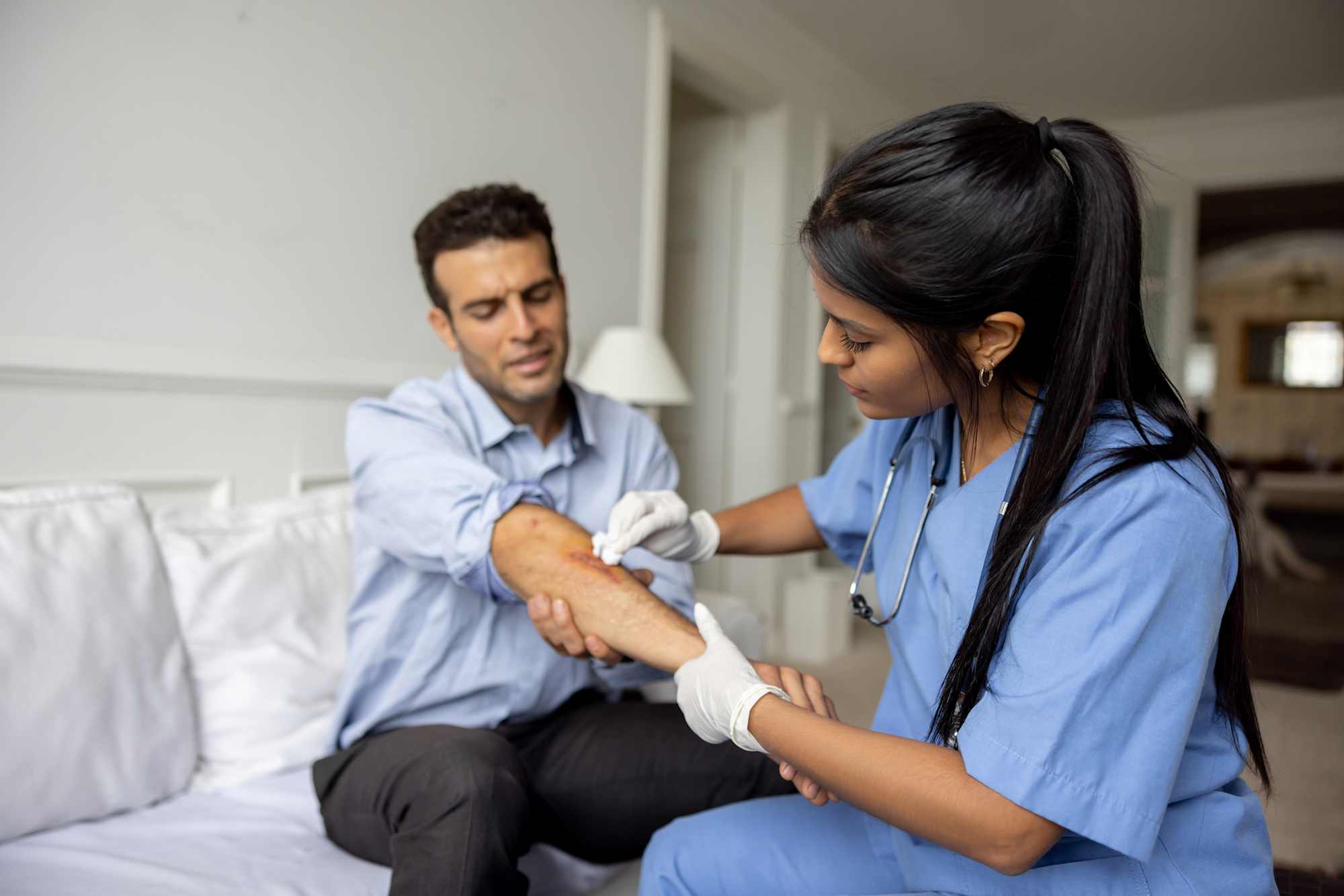
In the world of medical care, specialized knowledge and skills are extremely important. Wound treatment nursing is one such specialization that needs a deep understanding of wound pathology, therapy techniques, and patient administration. The duty of a wound treatment registered nurse expands beyond basic treatment; it involves essential reasoning, medical judgment, and caring client interaction. As the populace ages and persistent diseases come to be more common, the demand for competent wound care professionals continues to increase. This write-up discovers the intricacies of Wound Treatment Nurse Training: Getting Ready For Real-World Challenges, describing the education required, the challenges faced in method, and approaches for effective wound management.
Wound Treatment Nurse Training: Planning For Real-World Challenges
Wound care nurse training is not simply an academic undertaking; it's a comprehensive strategy to outfit registered nurses with vital abilities to take care of intricate situations entailing individuals with wounds. From medical wounds to press abscess and diabetic person foot ulcers, each instance presents distinct difficulties calling View website for customized remedies.
Understanding Wound Pathophysiology
The Healing Refine of Wounds
Before diving right into functional applications, it's critical to comprehend how injuries recover. The recovery process consists of 4 phases: hemostasis, inflammation, expansion, and makeover. Each phase plays a crucial function in bring back skin integrity.
Hemostasis: Quickly after injury, blood vessels restrict to minimize bleeding. Inflammation: White blood cells migrate to the website to avoid infection. Proliferation: New tissue creates as fibroblasts generate collagen. Remodeling: The wound matures in time as collagen reorganizes.Understanding these phases is foundational in wound care specialist training, making it possible for registered nurses to analyze healing development accurately.
Types of Wounds
Different kinds of injuries necessitate various methods:
- Acute Wounds: Surgical incisions that commonly follow a foreseeable recovery path. Chronic Wounds: Such as venous ulcers or diabetic foot abscess that may call for advanced interventions.
By acknowledging these distinctions beforehand in their training, registered nurses can customize their treatment prepares accordingly.
Wound Treatment Educating for Nurses: Educational Program Overview
Core Elements of Educating Programs
Most wound treatment training courses include several core parts vital for developing skilled practitioners:
Anatomy and Physiology Basic Wound Care Techniques Advanced Therapy Modalities Patient Assessment Skills Psychosocial Consider Healing Legal and Honest ConsiderationsThese parts ensure that registered nurses have a versatile education including both academic understanding and useful skills.
Hands-On Training Opportunities
Practical experience is critical in nursing injury treatment training Simulation labs supply secure environments where students can practice clothing adjustments, use medical devices, and participate in patient simulations prior to entering real-world settings.
Challenges Dealt with by Injury Care Nurses
Managing Complicated Cases
One of the most significant obstacles in wound treatment nursing is taking care of intricate cases involving several comorbidities like diabetic issues or vascular illness. Such conditions complicate recovery processes and call for advanced understanding for efficient management.
Emotional Toll on Nurses
Caring for people with persistent injuries commonly comes with psychological worries due to long term treatments and the possibility for inadequate outcomes. Techniques for self-care are crucial in mitigating stress and anxiety amongst injury care professionals.
Essential Skills Established During Injury Care Nurse Training
Clinical Skills
Through wound care training, registered nurses learn necessary clinical skills such as:
- Accurate analysis techniques Effective dressing application Infection control protocols
These expertises lay the groundwork for successful individual outcomes.
Communication Skills
Effective interaction is important when going over therapy strategies with individuals and their families-- particularly when informing them concerning self-care techniques or attending to worries concerning recuperation timelines.
Technological Innovations in Wound Management
Innovative Therapies Offered for Nurses
With developments in modern technology come brand-new devices that enhance injury management:
- Bioengineered skin substitutes Negative stress injury treatment (NPWT) Telehealth solutions
Training programs now integrate these technologies into their educational program so that registered nurses excel when they get in medical practice.
The Role of Evidence-Based Technique in Injury Care Management
Importance of Study in Nursing Practices
Adopting evidence-based methods makes sure that registered nurses provide high-grade care based upon existing study findings instead of outdated methods or anecdotal evidence.
Chronic Wound Care Management Strategies
Developing Comprehensive Treatment Plans
For patients with chronic injuries, establishing personalized treatment strategies is important. These strategies should resolve underlying issues such as inadequate blood circulation or inadequate nutrition while giving careful surveillance throughout the recovery process.
NDIS Injury Care Initiatives
Supporting People with Handicaps with Specialized Programs
The National Impairment Insurance policy System (NDIS) has certain guidelines tailored towards individuals requiring substantial wound administration support due to specials needs or chronic wellness conditions.
Continuing Education Demands Post-Certification
Continuous specialist advancement makes sure that licensed injury treatment professionals stay notified regarding evolving best practices within their area-- a need provided quick improvements throughout healthcare industries today!
Networking Opportunities within Expert Organizations
Engaging with specialist companies cultivates partnership amongst peers enables sharing experiences leading towards boosted criteria throughout numerous practices globally!

The Future Landscape of Wound Care Nursing Careers
Through ongoing innovations combined along with boosted needs throughout society's maturing populace; chances are plentiful within this specialized area!
FAQs concerning Injury Treatment Registered Nurse Training
What credentials do I require to become an injury treatment nurse?
To end up being a certified injury care nurse you normally need an active RN permit along with specialized training courses focusing specifically on advanced methods related straight in the direction of taking care of complex/chronic injuries effectively!
How long does it require to complete a wound care training program?
Most programs last anywhere from a number of weeks up until a number of months depending upon whether they offer part-time/full-time choices available together with course content depth.
Are there online options readily available for getting certification?
Yes! Several institutions now provide wound care training courses online making them obtainable regardless geographic area!
What are some common certifications acknowledged within this field?
Commonly recognized certifications include CWCN (Licensed Wound Treatment Nurse), CWS (Certified Injury Expert), & & AWCP (Advanced Injury Care Practitioner).
Is proceeding education obligatory after certification?
Yes! Ongoing education and learning needs make certain specialists stay upgraded pertaining to evolving techniques/methodologies which ultimately boosts person outcomes long-term!

li24/ol3/##
Conclusion
In recap, Wound Treatment Registered nurse Training: Preparing for Real-World Challenges represents a vital pathway towards ending up being skilled practitioners with the ability of navigating complex patient situations properly while delivering exceptional high quality health care services overall! With rigorous academic preparation combined along with hands-on experiences obtained during this trip-- trainees arise prepared geared up not simply take on instant issues but additionally proactively take care of future obstacles ahead making sure ideal results achieved every action along means ahead with each other collaboratively relocating towards brighter perspectives loaded really hope improvement lives touched positively forevermore!